Diyala Basic Education Opens the File of Cognitive Overlap
Where Historical Evidence Becomes the Judge of Modern Text in a Specialised Scientific Symposium
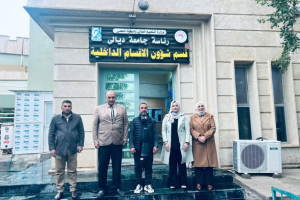
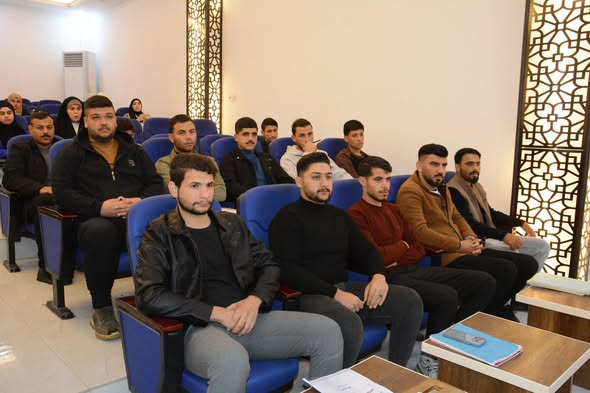
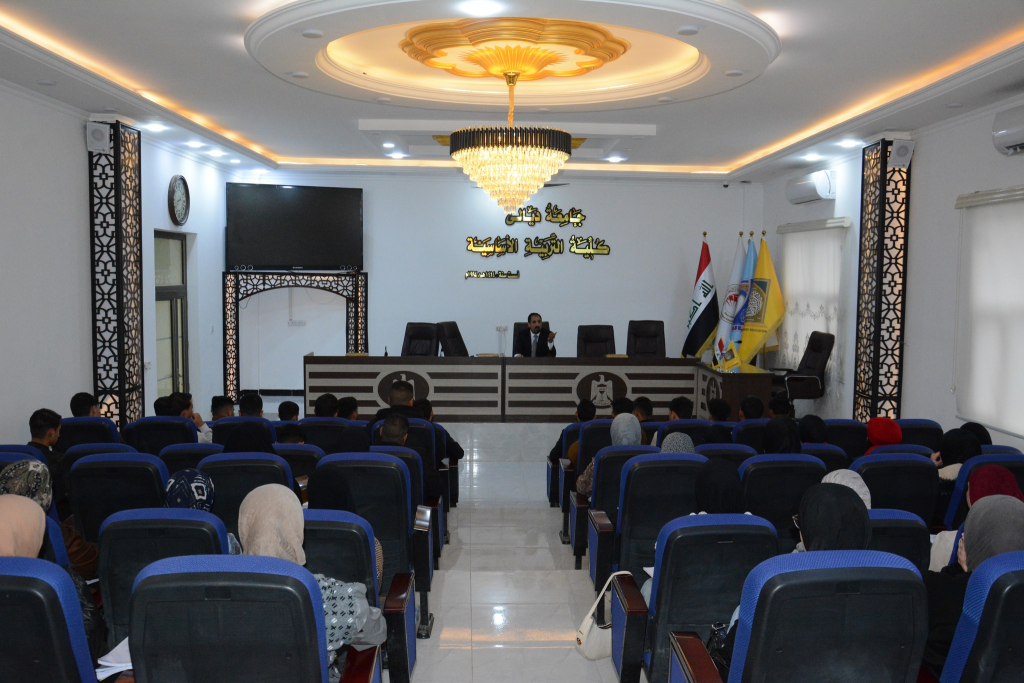
The Faculty of Basic Education at the University of Diyala – Department of History, in cooperation with the Continuing Education Division and the Media and Government Communication Division, organised a specialised scientific symposium entitled: ‘The Relationship between the Science of the Prophet’s Hadith and History.’ The seminar witnessed the participation of a number of teachers and students interested in historical and religious studies.
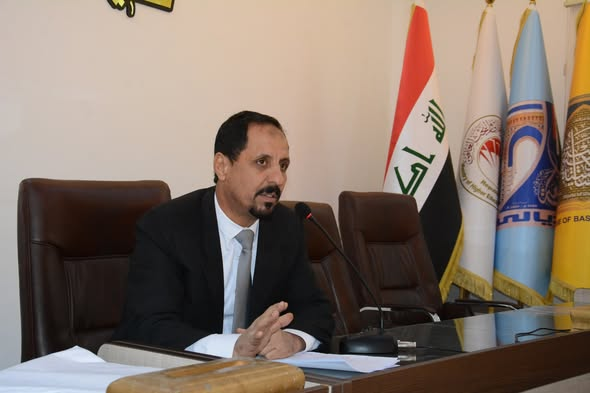
The seminar, which was presented by Professor Mahmoud Fayyad Hamadi, aimed to clarify the close and dialectical relationship between the science of the Prophet’s Hadith and history. The lecturer emphasised that history is an integral part of the science of hadith, because the first elite who recorded Islamic history were primarily scholars of hadith, and the text of hadith contains a wealth of historical information. The seminar also showed that history has become a fundamental basis for judging hadith narrators (the science of jarh and ta’dil), which has become of great importance to those engaged in this precise art.
The symposium included discussions on several specific scientific topics. The first topic highlighted the stages of hadith documentation and its profound impact on historical documentation and the preservation of narrations. The second topic focused on comparative verification of chains of transmission (silsilat al-rawa) between the science of hadith and the science of history. The third topic shed light on the conditions for narration and its acceptance between the two disciplines.
The symposium included constructive discussions and contributions from participants, including professors and students, which enriched the scientific material presented and emphasised the importance of this interdisciplinary field.
The symposium recommended the need to encourage more interdisciplinary studies linking different humanities disciplines, particularly history and hadith, in order to deepen the academic understanding of Islamic heritage and to encourage the application of a rigorous critical approach to hadith in the analysis of historical narratives.
The organisation of this symposium is part of the college’s commitment to supporting the 17 Sustainable Development Goals adopted by the United Nations, and is particularly relevant to: Goal 4: Quality Education: through the promotion of rigorous scientific research and teaching based on critical thinking in heritage and history. Goal 16: Peace, Justice and Strong Institutions: by emphasising the importance of rigorous scientific methodology and fairness in judging historical and religious narratives, thereby promoting the values of justice and good governance in the academic institution. Goal 17: Partnerships for the goals: The cooperation between the History Department and the Continuing Education and Media Divisions is an example of effective partnership within the institution to achieve common knowledge goals.


You may also like

Diyala University continues its environmental leadership