
The Family: A Factory of Values… An educational seminar at the Basic Education College in Diyala highlights the art of ideal family upbringing
The Faculty of Basic Education – Women’s Affairs Unit, in cooperation with the Continuing Education Division, organized an educational seminar on:
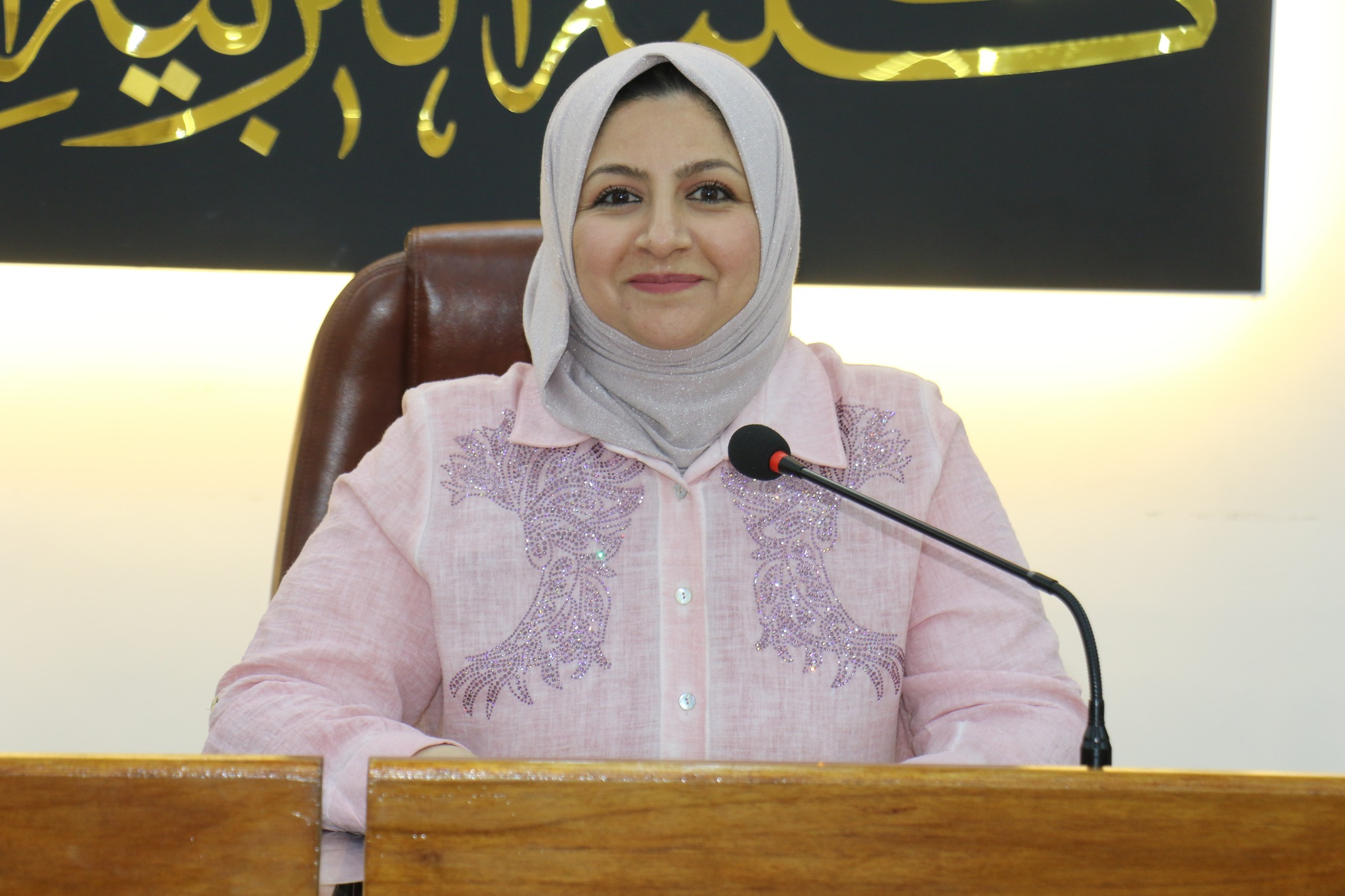
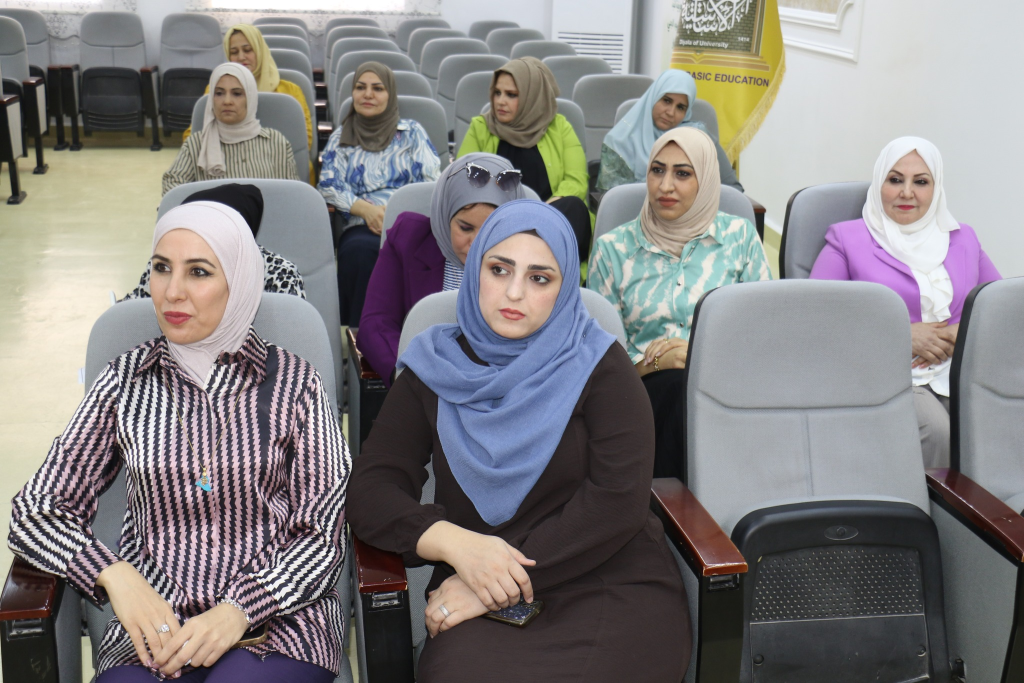
“The concept of family upbringing and the most ideal methods of family upbringing,” presented by Dr. Nour Abdul Karim Ahmed, in the presence of a number of female teachers, employees, and students interested in social and educational issues.
The seminar addressed the concept of family upbringing as the process through which values, behaviors, and social norms are transferred from one generation to another, noting that the family is the primary and fundamental source in this process, as it represents the first social environment in which a child grows up. The seminar emphasized that the family plays a pivotal role in shaping an individual’s personality, behavior, and values, in addition to providing a safe environment for dialogue and discussion, which contributes to building confidence and awareness among children.
The seminar also highlighted the most important ideal methods of family upbringing, foremost among which is the democratic (dialogical) method, which is considered one of the most effective modern educational methods, as it is based on mutual respect between parents and children and encourages dialogue, listening, involving children in some decision-making, and striking a balance between freedom and discipline.
The seminar also emphasized that this educational approach effectively contributes to building a balanced and self-confident personality capable of interacting positively with society by developing the ability to think independently and build successful social relationships.
At the end of the seminar, the importance of the family’s role in supporting sustainable development goals was emphasized, particularly Goal 4, “Ensure inclusive and equitable quality education and promote lifelong learning opportunities for all,” as families contribute to


You may also like

The identity of thought and the memory

Happy New Year
