
When style makes the difference… A workshop at Diyala University reveals the secret to accepting advice and guidance in the university environment
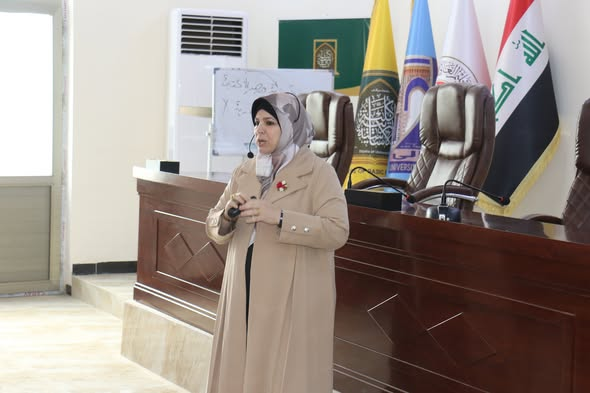
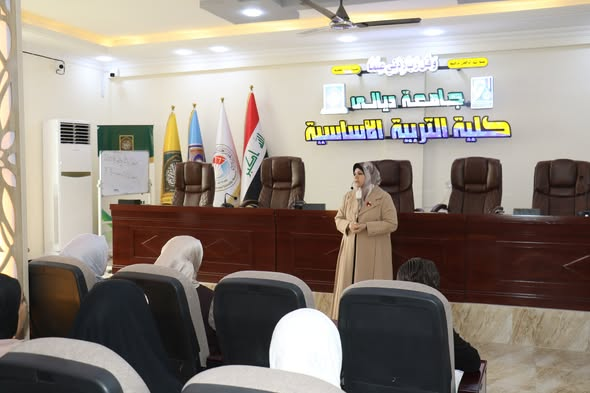
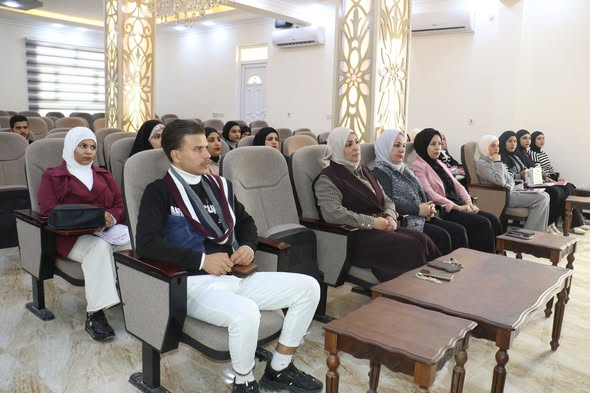
The Faculty of Basic Education at Diyala University – Kindergarten Department, in collaboration with the Faculty’s Guidance Unit and the Continuing Education Division, and in coordination with the Media and Government Communication Division, organised a workshop entitled ‘The Impact of Approach on Accepting Advice and Guidance’, with the participation of a number of teachers and students.
The workshop, presented by teacher Hiba Mazhar Abdul, aimed to clarify the concept of advice and exhortation and their importance in building the individual and society, as well as to identify the impact of style on the acceptance or rejection of advice and to equip participants with the skills to choose the appropriate style when giving advice. The workshop also focused on training participants to apply positive methods in giving advice and promoting values of respect and empathy when dealing with others.
The workshop included a discussion of a number of topics, including: individual differences in receiving advice; psychological factors influencing the acceptance of guidance; effective educational methods in counselling; and the effects of positive discourse in promoting proper behaviour.
The workshop concluded with a number of recommendations, most notably emphasising the importance of using calm and encouraging language when giving advice, developing students’ communication skills, enhancing the educational role of teachers in positive guidance, and integrating guidance activities within the university environment to create a supportive and constructive communication climate.
This workshop is in line with the 17 Sustainable Development Goals, particularly Goal 4: Quality Education through the development of educational and communication skills, Goal 3: Good Health and Well-being through the promotion of mental health and positive communication, and Goal 16: Peace, Justice and Strong Institutions through the promotion of a culture of dialogue and understanding within the university community.


You may also like

The identity of thought and the memory

Happy New Year
